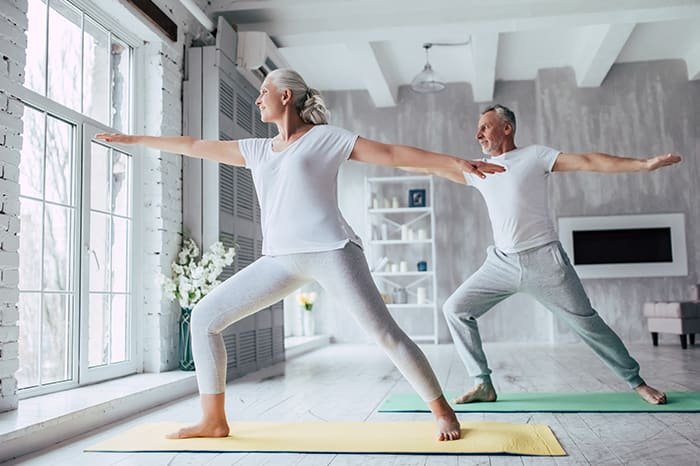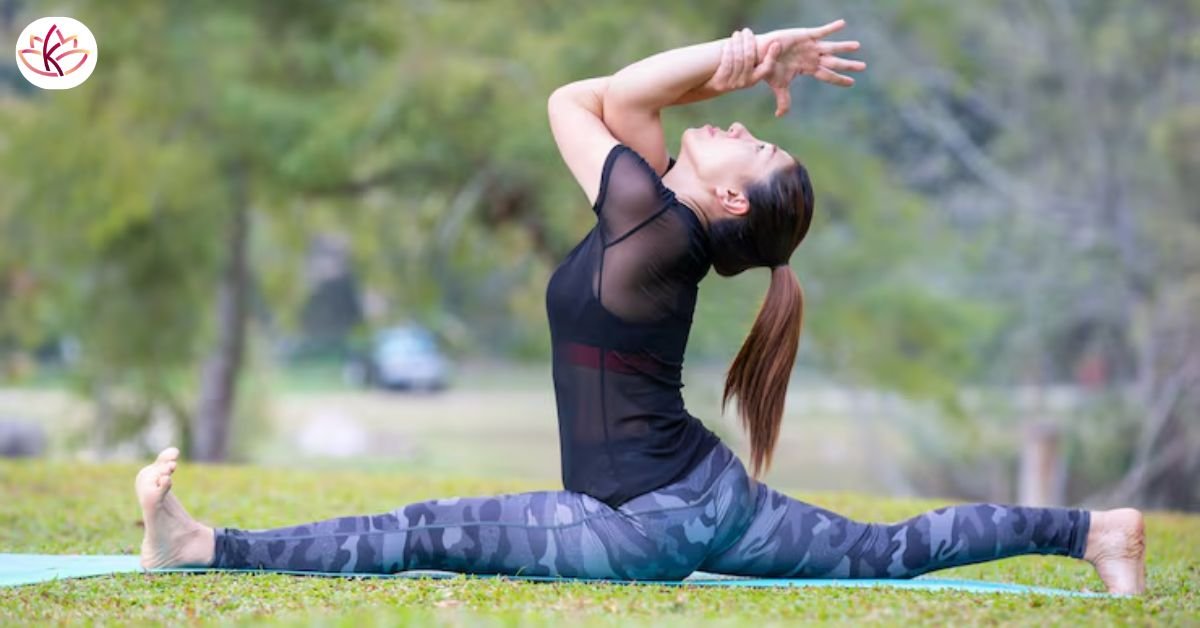
If you’re a senior thinking about picking up yoga, you’re not alone—and you’re in for a pleasant surprise. At 65 or 75 or beyond, your body may feel stiffer than it did in your 40s, but that doesn’t mean you can’t move with more ease, strength, and calm. I’ve seen neighbors in their late 60s trade morning aches for steady walks and better sleep after just a few weeks of gentle practice. Yoga isn’t about twisting into pretzels or chasing Instagram perfection. It’s about meeting your body where it is today and giving it the kind, consistent care it deserves.
Why Yoga Is a Game-Changer for Seniors Over 60
You’ve probably heard yoga can help with flexibility or stress, but the real story runs deeper. For folks in their golden years, it quietly rebuilds what time tries to take away—balance, mobility, and that quiet confidence in your own steps. Research backs this up with real numbers: older adults who practice see measurable gains in walking speed, leg strength, and even brain health.
The Science-Backed Benefits That Matter Most
Studies on adults 60 and older show yoga improves balance by a moderate amount and boosts overall mobility too. One review of six trials found clear effects on both. It also lowers anxiety and depression symptoms, with bigger improvements the more you practice. Seniors report less fear of falling, sharper focus, and better quality of life.
Physical Perks That Feel Immediate
Your joints thank you first. Gentle movements increase range of motion in the spine and hips without pounding impact. Legs grow stronger, posture straightens, and that nagging lower-back tightness often eases. Many seniors notice steadier steps on uneven sidewalks within weeks.
Mental and Emotional Wins You’ll Notice
The breath work alone can dial down daily worries. Yoga quiets the mind the way a good chat with an old friend does. Sleep deepens, mood lifts, and that sense of “I’ve got this” returns. One study even linked regular practice to better memory and decision-making in older women.
Is Yoga Safe for Seniors? Let’s Clear the Air
Yes, when done right. The biggest risk isn’t yoga itself—it’s jumping in without listening to your body or skipping a quick chat with your doctor. Most injuries happen when people push too hard or choose the wrong class. Chair yoga and props make it safer than many gym routines.
Pros and Cons of Starting Yoga as a Senior
Pros
- Low-impact and joint-friendly
- Improves balance and cuts fall risk
- Boosts mood without medication side effects
- Adaptable to arthritis, osteoporosis, or limited mobility
- Builds community if you join a group class
Cons
- Initial stiffness can feel frustrating (but it passes)
- Finding the right teacher takes a little trial and error
- Some poses need modifications for bone density concerns
Consulting Your Doctor: The Smart First Step
Before you roll out a mat, pick up the phone. Tell your physician about any joint replacements, high blood pressure, or recent falls. They’ll flag anything to avoid—like deep forward bends if you have low bone density—and might even suggest specific modifications. This quick conversation turns yoga from “maybe risky” into “perfectly tailored.”
Picking the Perfect Yoga Style for Your Body
Not every style fits every senior. Hatha moves slowly with clear alignment. Restorative uses props and long holds for deep relaxation. Yin targets connective tissue with gentle stretches. But if getting on the floor feels daunting, chair yoga wins hands down.
Chair Yoga – Your Best Friend at Home
Sit tall in a sturdy, armless chair with feet flat. No fancy studio required. This style builds strength and flexibility while keeping you stable. It’s ideal for anyone with balance issues or knee trouble.
Gentle Hatha or Restorative Options
These classes move at a pace that lets you breathe and adjust. Props like blocks and straps turn “impossible” into “doable.” Many studios now label sessions “senior-friendly” or “60+.”
Setting Up Your Practice Space at Home
Clear a 6-by-6-foot area. A non-slip mat prevents sliding. Grab a sturdy chair without wheels, two blocks or thick books, a strap or belt, and a blanket for warmth in savasana. Comfortable clothes that don’t ride up and non-slip socks if you prefer them over bare feet complete the setup. Total cost? Under $50 if you shop smart.
Essential Gear Checklist
- Yoga mat (cushioned, non-slip)
- Sturdy chair (no arms or wheels)
- Yoga blocks or firm cushions
- Strap or scarf for reach
- Water bottle nearby
- Optional: blanket for final relaxation
5 Beginner Poses Every Senior Should Master
Start with these. Hold each for 3–5 slow breaths. Use the wall or chair for support anytime.
Mountain Pose (Standing Tall)
Stand with feet hip-width apart, weight even. Roll shoulders back and down, lift your chest, and gaze straight ahead. Feel strong yet relaxed. This pose wakes up posture and builds quiet confidence.
Seated Tree Pose (Chair Version)
Sit tall, press one foot into the floor, and rest the other on your ankle or shin (never the knee). Hands at heart center or on thighs. Switch sides. It trains balance without the wobble of standing.
Seated Cat-Cow
Hands on thighs, inhale to arch your back gently (cow), exhale to round it (cat). Move with your breath. This duo loosens the spine and feels like a mini massage.
Warrior I (Modified)
Step one foot back, front knee bent, back heel down if possible. Raise arms overhead or keep hands on hips. Keep hips facing forward. It strengthens legs and opens hips safely.
Seated Forward Fold
Sit near the chair’s edge, hinge at hips, and let chest fold toward thighs. Let arms hang or rest on thighs. Breathe into the stretch. It gently lengthens the back body.
Building a Weekly Routine That Actually Sticks
Aim for 10–20 minutes, three times a week at first. Consistency beats intensity. Monday: 15-minute chair flow. Wednesday: breathing and gentle stretches. Friday: full seated sequence plus savasana. Track it in a simple notebook or phone reminder. Celebrate small wins—like noticing you stand taller.
Sample 4-Week Starter Plan
| Week | Focus | Duration | Frequency |
|---|---|---|---|
| 1 | Breath + seated warm-up | 10 min | 3x/week |
| 2 | Add 3 standing poses | 15 min | 3x/week |
| 3 | Full gentle sequence | 20 min | 4x/week |
| 4 | Mix chair + standing | 20–25 min | 4x/week |
Common Mistakes New Seniors Make (and Easy Fixes)
Pushing into pain is the top one—stop and modify instead. Holding your breath? Inhale and exhale steadily. Comparing yourself to the 30-year-old next to you? Focus on your own mat. Feeling bored? Add music or a friend. These tweaks keep you safe and motivated.
Real Stories That Will Inspire You
Take Margaret, 68, from my neighborhood. Arthritis made gardening tough until chair yoga three mornings a week. Six months later she’s back weeding without the usual groans. Or Tom, 72, who started after a hip replacement. His doctor cleared gentle practice; now he walks the dog with steadier steps and jokes that yoga gave him “new knees in spirit.”
People Also Ask About Yoga for Seniors
Is yoga good for seniors with arthritis?
Absolutely. Modified poses reduce stiffness and support joints without flare-ups when you move slowly and use props.
Can you start yoga at 70 or older?
Yes. Many begin in their 70s and 80s and see big improvements in mobility and mood. It’s never too late.
What type of yoga is safest for seniors?
Chair yoga or restorative styles top the list. They adapt to limited mobility and focus on breath and gentle movement.
How often should seniors practice yoga?
Three times a week for 15–30 minutes works wonders. Even once weekly brings noticeable gains.
Does yoga help prevent falls in older adults?
Studies say yes. Better balance, stronger legs, and improved confidence add up to fewer stumbles.
FAQ: Your Top Questions Answered
Q: Do I need special yoga clothes or expensive mats?
No. Loose, breathable clothes you already own and any non-slip surface work fine. Comfort matters more than brand names.
Q: What if I can’t touch my toes or balance on one foot?
That’s normal. Props and chair versions make every pose accessible. The goal is progress, not perfection.
Q: Can yoga replace my physical therapy?
It complements therapy beautifully, but always check with your therapist or doctor first.
Q: How soon will I feel results?
Most seniors notice looser joints and calmer minds within 2–4 weeks. Stick with it for deeper changes.
Q: Is online yoga as good as in-person classes?
Yes, especially with senior-specific videos. SilverSneakers and free YouTube channels offer excellent guided sessions from home.
Your first session might feel awkward. That’s okay—every senior who now swears by yoga started exactly there. Roll out the mat (or pull up the chair), take one slow breath, and begin. Your body, mind, and future self will thank you. You’ve got this. Namaste.