Teens and young adults today face a whirlwind of pressures that earlier generations could barely imagine. Between endless academic demands, social media comparisons that never sleep, family expectations, and the uncertainty of figuring out who you are, it’s no wonder stress, anxiety, and burnout feel like the default setting. I’ve talked with countless young people who describe feeling constantly wired yet exhausted, and that’s where yoga steps in—not as some trendy wellness fix, but as a simple, evidence-based tool that meets you exactly where you are. It doesn’t require fancy gear or hours of your day, just a willingness to show up for yourself. Over the next few minutes, we’ll explore how this ancient practice delivers real, lasting support for your body, mind, and emotions during these formative years.
Understanding the Unique Challenges Faced by Teens and Young Adults
The teenage and early-twenties years hit like a perfect storm of change. Hormones surge, brains rewire, social circles shift dramatically, and the future looms large with questions about college, careers, and identity. Add in constant connectivity and you’ve got a recipe for chronic stress that can quietly erode sleep, mood, and motivation. Yoga meets these realities head-on by offering tools that fit into busy lives without adding more pressure. It’s not about escaping the chaos but learning to navigate it with greater ease and self-compassion.
What Exactly Is Yoga, and Why Does It Resonate with Young People?
At its heart, yoga combines gentle movement, breath awareness, and mindful presence in a way that feels modern even though it’s thousands of years old. For teens and young adults juggling packed schedules, it provides a rare pause where the only goal is to feel your body and breath without judgment. That non-competitive vibe is refreshing when everything else seems like a performance. Many young practitioners tell me it’s the first time they’ve experienced their own thoughts without the urge to scroll away from them.
The Mind-Body Connection in Modern Life
We often treat the body and mind as separate, yet they’re in constant conversation. Yoga bridges that gap by using movement to calm the nervous system and breath to quiet racing thoughts. In an era when young people report higher rates of anxiety than ever, this integrated approach feels revolutionary because it works with your biology rather than against it.
Physical Benefits That Go Beyond the Mat
Yoga builds real physical strength, flexibility, and balance without the intimidation of heavy weights or competitive sports. For growing bodies navigating growth spurts and screen-induced slouching, these changes translate to better posture, fewer aches, and more energy for daily life. It’s exercise that feels nourishing instead of punishing.
Building Strength and Flexibility Without the Gym Pressure
Poses like plank variations or warrior sequences gently tone muscles while improving range of motion. Teens often discover they can hold their own in sports or dance classes after a few weeks because yoga strengthens the deep stabilizing muscles that traditional workouts sometimes overlook. The best part? No mirrors or comparisons—just you and your breath.
Improving Posture and Energy Levels for Busy Schedules
Hours hunched over laptops or phones tighten the chest and round the shoulders. Yoga’s backbends and shoulder openers counteract that, leaving you standing taller and breathing deeper. Many young adults notice they have more sustained energy for studying or socializing once their body feels aligned and open.
Mental Health Support: Taming the Anxiety Monster
Anxiety spikes during these years because the brain’s emotional center is still developing while the prefrontal cortex (the “brakes”) catches up. Yoga flips the switch toward the parasympathetic “rest and digest” state through slow breathing and mindful movement. One session can lower heart rate and cortisol, giving you an immediate sense of relief that compounds over time.
Emotional Regulation and Building Resilience
Life throws curveballs—breakups, exam failures, family drama—and yoga teaches you to observe feelings without being swept away by them. That pause between impulse and reaction becomes your superpower. Young people who practice regularly often report feeling less reactive and more equipped to bounce back from setbacks.
Boosting Focus and Academic Performance
Distraction is the enemy of good grades and future goals. Yoga’s emphasis on present-moment awareness trains the brain to stay with one task, whether it’s a math problem or a conversation. Studies show improvements in attention span and even test scores after consistent practice.
Enhancing Self-Esteem and Body Image
Social media floods feeds with filtered perfection, making it easy to feel “not enough.” Yoga shifts the focus from appearance to capability—what your body can do rather than how it looks. That subtle change builds quiet confidence that carries into every area of life.
Better Sleep and Natural Stress Management
Scrolling before bed keeps the brain in alert mode. Yoga’s wind-down sequences and simple breathing tricks signal safety to the nervous system, making it easier to fall and stay asleep. Many teens trade late-night worry for restorative rest after just ten minutes of practice.
Real Stories: How Yoga Changed Lives
Take Mia, a 17-year-old high-school senior I heard from last year. She was drowning in college applications and social anxiety until her counselor suggested a five-minute morning routine. Within weeks, she slept better, snapped less at her family, and even performed stronger in track meets. Or consider Alex, a 21-year-old college sophomore battling low mood after a tough breakup. Restorative poses and breathwork became his non-negotiable evening ritual; he credits them with pulling him out of a fog and back into his studies. These aren’t isolated cases—thousands of young people discover the same quiet transformation.
Science-Backed Evidence: What Studies Say
Research keeps piling up in favor of yoga for this age group. Systematic reviews of school-based programs show measurable drops in anxiety, depression symptoms, and behavioral issues, plus gains in self-control and cognitive function. One NIH-linked study found single classes improved mood in adolescents, while longer programs enhanced resilience and academic outcomes. Brain imaging even hints at increased GABA levels—the calming neurotransmitter—after regular practice.
Pros and Cons: Is Yoga the Right Fit?
Yoga isn’t magic, but it offers clear advantages.
Pros
- Accessible anywhere with zero equipment needed for basics
- Improves both mental and physical health simultaneously
- Builds lifelong skills for stress management
- Low risk when practiced mindfully
- Boosts community and belonging in group classes
Cons
- Initial self-consciousness in group settings for some teens
- Requires consistency to see full benefits
- Not a standalone treatment for severe clinical conditions
- Limited options in some schools or rural areas
- Can feel frustrating if expectations are unrealistic at first
Weighing these helps you approach the practice realistically and sustainably.
Yoga vs. Other Approaches: A Quick Comparison
| Approach | Focus Area | Time Commitment | Cost | Mental Benefits | Physical Benefits |
|---|---|---|---|---|---|
| Yoga | Mind + Body | 10–45 min/day | Free–Low | High (stress, focus, resilience) | High (strength, flexibility) |
| Traditional Exercise (running, weights) | Body primarily | 30–60 min | Low–Medium | Moderate | Very High |
| Meditation Alone | Mind only | 5–20 min | Free | High | Low |
| Therapy/Counseling | Mind (talk-based) | Weekly sessions | Medium–High | Very High | None |
Yoga stands out because it delivers the best of both worlds without the high cost or scheduling hassle of therapy alone.
Getting Started: Practical Tips for Teens and Young Adults
Begin small—five minutes beats zero every time. Roll out a mat or just use the floor in your room. Follow a free YouTube video aimed at beginners, and remember: it’s okay if your mind wanders or your body feels stiff. Consistency matters more than perfection. Start with breath-focused sessions if movement feels overwhelming. Track how you feel before and after to stay motivated.
Best Yoga Styles and Poses for Beginners
Hatha or restorative styles work wonders because they move slowly and emphasize recovery. Vinyasa adds gentle flow for those who crave movement.
Try these accessible poses:
- Child’s Pose: Kneel, fold forward, arms extended—pure nervous-system reset.
- Cat-Cow: On all fours, alternate arching and rounding the back—releases spinal tension.
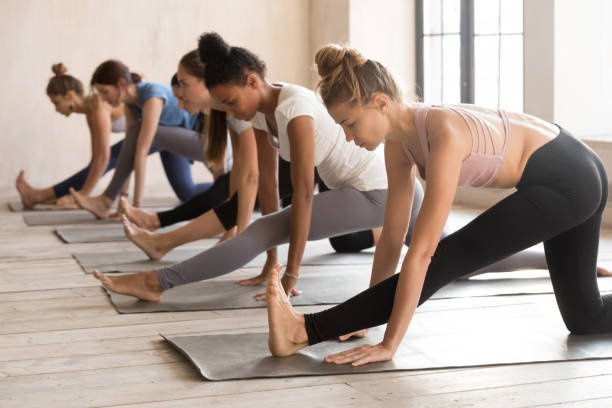
- Seated Forward Fold: Legs extended, hinge at hips—calms the mind and stretches the back.
- Legs-Up-the-Wall: Lie with legs vertical against a wall—improves circulation and sleep.
- Tree Pose: Stand on one foot, other on inner thigh—builds focus and balance.
Overcoming Common Barriers
Self-consciousness tops the list for many teens. Solution? Start at home or find teen-specific classes where everyone is in the same boat. Lack of time? Squeeze in breathing exercises between classes. Transportation issues? Free apps like Down Dog or Insight Timer have guided sessions. Cost? Most libraries and schools now offer free programs.
Where to Practice: Online, Studio, or School Programs
Search for local studios offering teen classes or check apps designed for young people. Many high schools and universities now integrate yoga into wellness programs or PE electives. Online options mean you can practice privately at 11 p.m. if that’s your only free window. Community centers and nonprofits often provide sliding-scale or free sessions too.
People Also Ask
- Does yoga really reduce anxiety in teens?
- What are the best yoga poses for teenagers?
- How often should young adults practice yoga for benefits?
- Can yoga improve focus and grades?
- Is yoga safe and effective for mental health support?
These questions pop up constantly because young people want straightforward, practical answers—and the research backs them up.
FAQ
1. How quickly will I notice changes?
Most teens feel calmer after one session, but lasting shifts in mood and focus usually appear within 4–6 weeks of 3–4 short practices per week.
2. Do I need to be flexible or athletic?
Absolutely not. Yoga meets you at your current level; modifications make every pose accessible regardless of fitness or flexibility.
3. Can yoga replace therapy or medication?
It works beautifully as a complement, not a replacement. Always consult a healthcare professional for serious mental-health concerns.
4. What if I get bored or distracted?
Totally normal. Start with short sessions and fun music playlists. Variety—different styles or teachers—keeps things fresh.
5. Is there a minimum age to start?
Kids as young as 6 benefit, but teens and young adults see especially strong results because the practice aligns with their developmental needs.
Yoga isn’t a quick fix or a cure-all, yet it quietly equips teens and young adults with tools that pay dividends for decades. It teaches you to listen to your body, steady your mind, and treat yourself with kindness in a world that often demands the opposite. Whether you roll out a mat for ten minutes before school or wind down with restorative poses after a long day, you’re investing in a stronger, calmer, more resilient version of yourself. Start today—no perfect conditions required. Your future self will thank you.