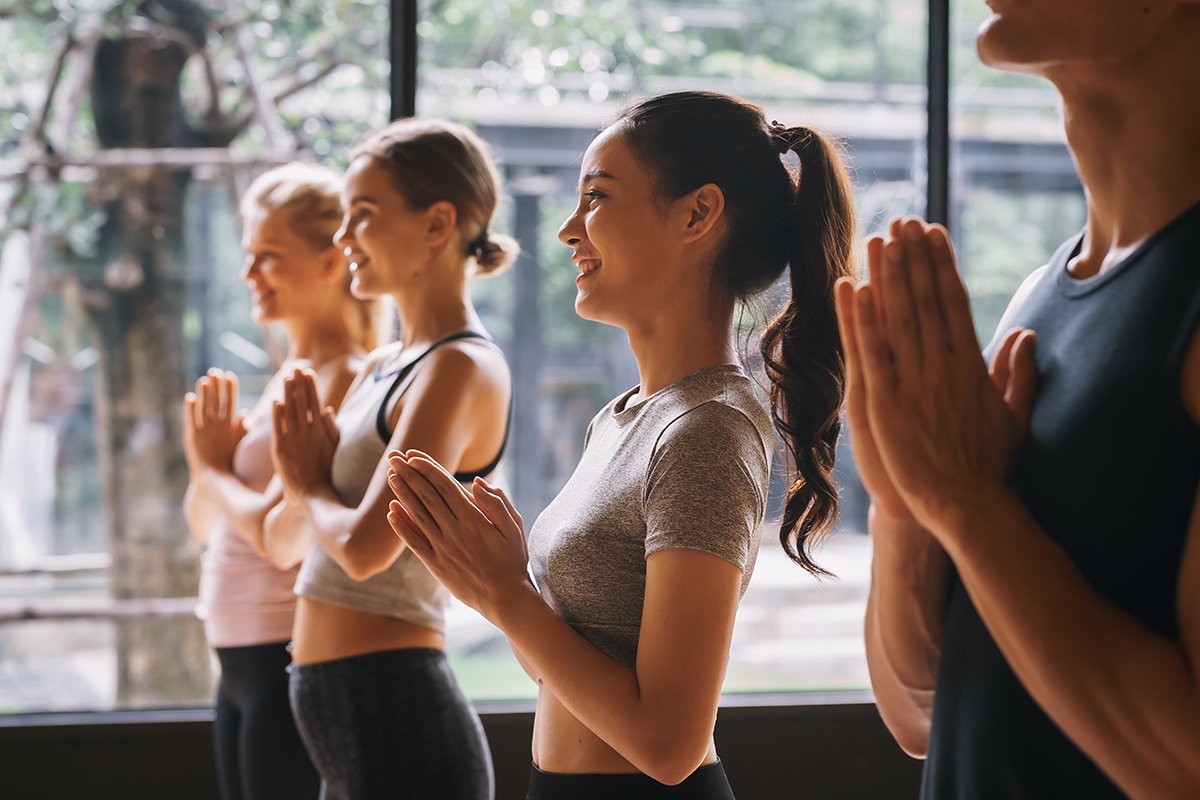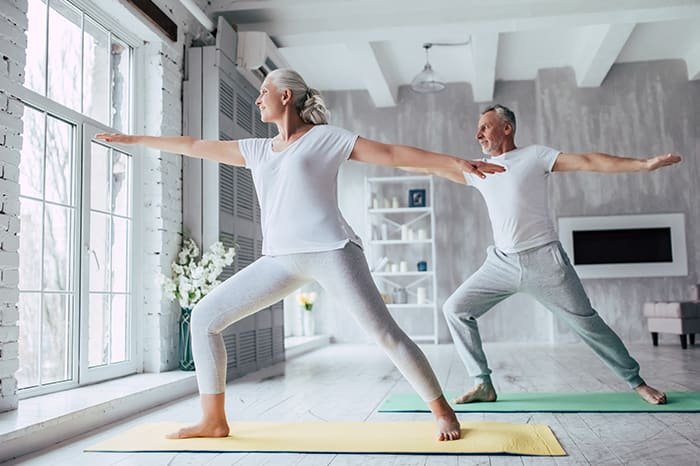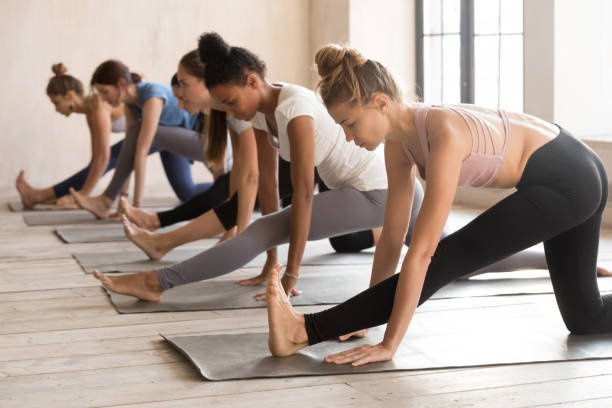
Picture this: a group of teens sprawled on mats, laughing so hard they nearly topple out of a partner pose while a upbeat playlist thumps in the background. No incense, no solemn chanting—just energy, connection, and that rare feeling of “this actually feels good.” That’s the kind of yoga class I’ve spent the last decade building for teenagers, and it works. Teens aren’t mini-adults, and they definitely don’t want a watered-down version of your Sunday morning flow. They crave movement that matches their chaotic lives, humor that calls out the awkwardness, and tools that actually help with exams, social drama, and the endless scroll on their phones.
I started teaching teens back in 2015 after watching my own niece struggle through high school stress. Traditional yoga left her bored and skeptical. So I tweaked everything—music, games, themes—and suddenly the same kids who rolled their eyes at “downward dog” started showing up early. What follows isn’t theory; it’s what I’ve tested in real studios, school gyms, and online sessions with hundreds of 13- to 18-year-olds. Let’s dive in so you can create classes teens actually love.
Why Yoga Matters for Today’s Teens
Teens today juggle more than ever—academic pressure, social media comparison, sports, part-time jobs, and bodies that feel like they’re changing overnight. Yoga steps in as the one activity that hits every angle: body, mind, and emotions. It’s not about twisting into pretzels; it’s about giving them skills they’ll use long after they leave your mat.
The Physical Toll of Teenage Life
Growth spurts, heavy backpacks, and hours hunched over screens wreck posture and energy levels. Yoga counters that with targeted strength, flexibility, and alignment work that feels more like play than punishment. Teens walk taller, sleep better, and even perform better in sports because their bodies finally feel like allies instead of enemies.
Mental Health Challenges Teens Face
Anxiety spikes during these years, and many teens report feeling overwhelmed before they even hit lunch period. Yoga’s breathing techniques and mindful movement give them an on-the-spot reset button. Studies back this up: school yoga programs help stabilize mood and lower anxiety scores compared to regular PE.
The Science-Backed Benefits of Yoga for Teens
Research keeps piling up, and it’s exciting. A review of yoga interventions for kids and adolescents showed improvements in cognitive function, emotional regulation, and overall well-being. The American Academy of Pediatrics even recommends it for emotional and behavioral health. Here’s what teens actually gain:
- Stronger bodies without the burnout: Builds lean muscle, balance, and endurance while protecting growing joints.
- Sharper focus for school: Mindfulness practices boost concentration and memory—perfect for test season.
- Stress and anxiety relief: Breathing exercises lower cortisol; one study found teens in yoga classes reported better mood and less rumination.
- Better sleep and emotional balance: Evening flows help unwind the overstimulated nervous system.
- Confidence and body positivity: Mastering a challenging pose reminds them they’re capable, even on bad hair days.
| Benefit | How Yoga Delivers It | Real-World Teen Win |
|---|---|---|
| Flexibility & Posture | Dynamic flows + deep stretches | No more slouching over phones |
| Strength & Balance | Core work + standing poses | Better sports performance |
| Stress Reduction | Breath + mindfulness | Handles exam week without meltdown |
| Focus & Mood | Short meditations in motion | Pays attention in class instead of zoning out |
| Self-Esteem | Achievement in poses | “I did that!” moments carry over to life |
Common Myths About Yoga for Teens – Busted
Myth #1: “Yoga is just for girls or flexible people.” Wrong. I’ve had football players crush arm balances once they realize it’s about power, not pink mats. Myth #2: “It’s too slow and boring.” Not when you crank the playlist and add challenges. Myth #3: “Teens won’t sit still for savasana.” True—until you make it optional and fun with guided stories or music.
How to Make Yoga Classes Fun for Teens
The secret? Meet them where they are. Forget forcing silence at the start. Begin with movement that burns off restless energy, then layer in the calm.
Infuse Pop Culture and Music into Your Flows
Teens light up when you queue their playlist—think Billie Eilish during sun salutations or trending TikTok tracks for flows. Reference memes, influencers who practice yoga, or even video game characters striking “warrior” poses. One class I themed around “Avengers Assemble” had kids flying through warrior sequences while quoting lines. They left buzzing.
Turn Poses into Games and Challenges
Competition works wonders. Try “Tree Pose Battle Royale” where the last one standing picks the next song. Or yoga charades—act out poses without speaking. These games sneak in strength and balance while keeping laughter high.
Partner Yoga: Building Connection and Trust
Partner poses are gold for teens who crave connection but fear vulnerability. Simple trust falls into back-to-back chair pose or assisted dancer pose create giggles and high-fives. It also teaches consent and communication—skills they need everywhere else.
Theme-Based Classes That Speak Their Language
“Stress-Busting Warrior Week,” “Core Power for Gamers,” or “Chill Flow for Sunday Scaries.” Let teens vote on themes or suggest songs. Ownership turns skeptics into regulars.
Sample Fun and Relatable Yoga Sequences for Teens
Keep sessions 30-45 minutes max—teens have short attention spans. Here’s a crowd-pleasing energizing flow I use often:
- Warm-up (5 min): Cat-cow on all fours to upbeat music, then sun salutations with a twist—add a “high-five” jump at the top.
- Strength builders (10 min): Warrior I to II flows, plank challenges, and crow pose attempts (with modifications and laughter).
- Balance & Play (10 min): Tree pose battles or partner boat pose races.
- Cool-down (5-10 min): Seated twists, forward folds, and a quick savasana with a fun visualization—like floating in a favorite video game world.
Another favorite is the “Focus Flow” for exam weeks: slower vinyasa with longer holds in balancing poses, ending with breathwork they can use before tests.
Essential Tips for Yoga Instructors and Parents
- Start dynamic, end calm: Movement first, stillness later.
- Use humor generously: Call out when a pose looks ridiculous—it builds instant rapport.
- Modify everything: Offer options so no one feels left behind or “bad” at yoga.
- Give choices: Let them pick music or skip savasana if they’re fidgety.
- Keep it real: Share your own teen struggles; authenticity beats perfection.
Pros and Cons of Teen Yoga Classes
Pros:
- Builds lifelong stress tools
- Improves social skills through partner work
- Boosts confidence without competition pressure
- Adaptable for all fitness levels
Cons:
- Initial resistance if it feels “uncool”
- Scheduling around busy teen calendars
- Need for engaging instructors (not every adult “gets” teens)
Comparison: Yoga vs. Traditional Sports/Gym for Teens
| Aspect | Yoga | Sports/Gym |
|---|---|---|
| Stress Relief | High (breath + mindfulness) | Medium (endorphins but can add pressure) |
| Injury Risk | Low with modifications | Higher in contact sports |
| Mental Focus | Excellent | Good for teamwork |
| Accessibility | Anytime, anywhere | Needs equipment/team |
| Long-Term Habit | Easy to continue solo | Often drops after school |
Yoga wins for holistic wellness while complementing other activities.
Where to Find or Start Yoga for Teens: Resources and Tools
Free YouTube gems include Yoga With Adriene’s “Yoga for Teens” video—perfect starter. Apps like Yoga Ed offer school-friendly sequences. Local studios or online platforms like Teen Yoga (teenyoga.com) provide specialized training. Parents: try a 10-minute home flow together first; it lowers the barrier.
People Also Ask: Answering Your Burning Questions About Teen Yoga
What are the benefits of yoga for teenagers?
Beyond the physical perks, it equips them with emotional regulation tools that last a lifetime—less meltdown, more resilience.
Is yoga safe for teens?
Absolutely, when poses are modified and instructors emphasize listening to the body. Start slow and avoid forcing advanced moves.
How do I get my teen interested in yoga?
Invite them to pick the playlist or theme. Show short fun videos first. Never force—make it their choice.
What are the best yoga poses for teens?
Warrior flows for strength, tree and dancer for balance, and restorative poses like legs-up-the-wall for stress.
Can yoga help with teen anxiety?
Yes—studies show regular practice reduces anxiety symptoms and improves mood stability.
FAQ: Your Top Questions on Yoga for Teens
How often should teens practice yoga?
Two to three times a week is ideal—enough for benefits without adding pressure.
Do I need special equipment?
A basic mat and comfy clothes. Blocks or straps help with modifications.
What if my teen has no flexibility?
Yoga builds it over time. Everyone starts somewhere—modifications make it accessible.
Can boys enjoy yoga too?
100%. Many discover it boosts athletic performance and mental toughness.
Is online yoga effective for teens?
Yes, especially short, high-energy videos they can do in their room.
Yoga for teens isn’t about perfect alignment or Instagram poses. It’s about showing up, moving, breathing, and realizing they’re stronger than their stress. Whether you’re a teacher designing classes, a parent sneaking in family flows, or a teen curious enough to roll out a mat—start small, keep it fun, and watch the transformation. The poses are temporary; the confidence and calm they build? Those stick around for life. Roll out your mat, crank the music, and let the real work begin. Your future self (and every teen in your life) will thank you.