Imagine waking up at 72, rolling out of bed without that familiar creak in your back, and heading to the kitchen with steady steps instead of shuffling. That’s not some miracle supplement at work. It’s often just a few gentle yoga sessions a week. I’ve watched this happen time and again with folks in their 60s, 70s, and beyond who thought their best days of moving freely were behind them. Yoga isn’t about twisting into pretzels or chanting in a studio full of twenty-somethings. For senior citizens, it’s a practical, low-impact way to reclaim strength, calm the mind, and keep doing the things you love—like gardening, playing with grandkids, or simply walking to the mailbox without worry.
Seniors face unique challenges as the years add up: stiffer joints, weaker muscles, slower balance, and a mind that sometimes feels foggy from stress or poor sleep. Yet the very practice that seems “too bendy” for older bodies turns out to be one of the smartest choices around. It meets you exactly where you are—chair, mat, or standing—and builds from there. No gym membership required, no high-impact pounding. Just breath, movement, and a bit of patience.
Why Yoga Fits Seniors Perfectly
Yoga adapts beautifully to aging bodies because it emphasizes controlled movement, deep breathing, and mindfulness instead of speed or heavy weights. Unlike running or heavy lifting, it strengthens without jarring joints. Seniors who start gentle classes often report feeling more in control of their days within weeks, not months. It’s never too late, and the rewards stack up fast when you stick with it.
The Science That Makes It Real
Decades of research back this up. A Harvard-affiliated review of 33 studies with over 2,300 older adults showed yoga improves walking speed and leg strength—key markers that fight frailty and support longer, independent living. Other trials link it to better balance, lower blood pressure, reduced inflammation, and even slower cellular aging through telomere protection and less oxidative stress. It’s not hype; it’s measurable change in mobility, mood, and daily function.
Now let’s get to the heart of it—the 10 benefits that turn “maybe I’ll try yoga” into “why didn’t I start sooner?”
Benefit 1: Sharper Balance That Cuts Fall Risk Dramatically
Balance naturally slips as we age, and one bad step can mean weeks in recovery. Yoga trains the core, legs, and inner-ear coordination through steady poses that challenge stability without danger. Seniors practicing regularly see measurable gains in static and dynamic balance, making everyday moves—like stepping off a curb—feel secure again.
Picture your neighbor, 68-year-old Rita, who used to grip railings everywhere. After eight weeks of chair yoga twice a week, she walked her dog hands-free for the first time in years. The giggles she shared about it still make me smile. Start small: tree pose against a wall or simple weight shifts while seated. The confidence boost alone is worth it.
- How it works: Poses engage proprioception—the body’s sense of position.
- Real-world payoff: Fewer falls, more independence.
- Quick tip: Focus on one spot ahead while holding a pose for 20–30 seconds.
Benefit 2: Greater Flexibility Without Forcing It
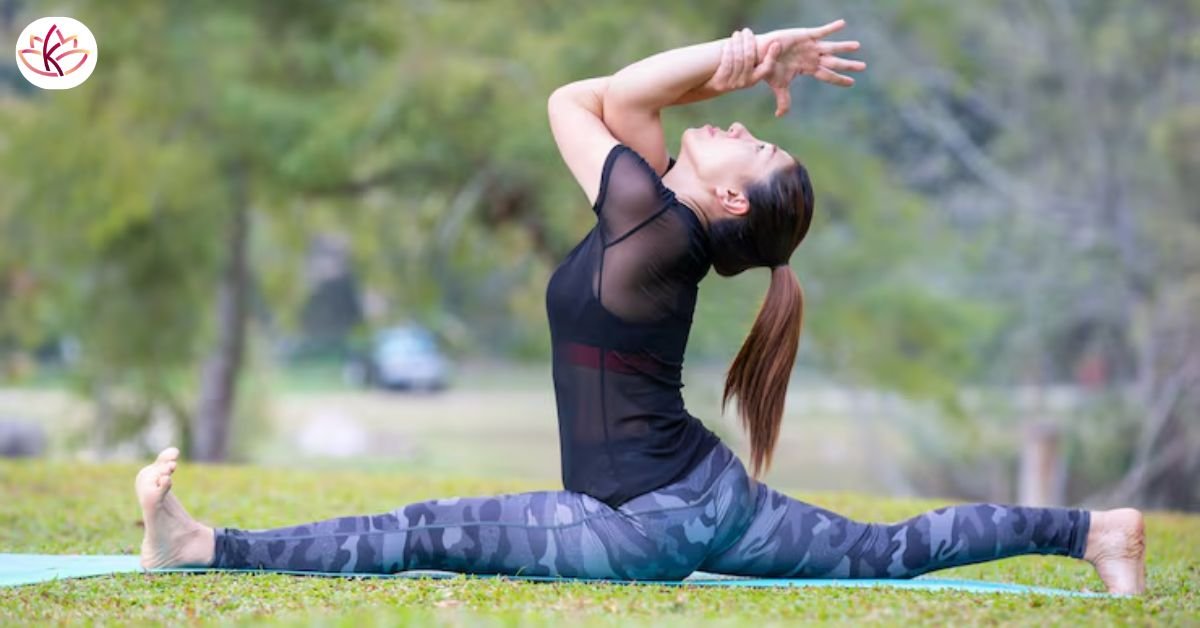
Stiff hips, tight shoulders, and a back that protests when you reach for socks—sound familiar? Yoga gently lengthens muscles and lubricates joints through slow stretches and deep breathing that increases blood flow. Seniors regain range of motion in the spine, hips, and shoulders, turning “I can’t bend like that” into “watch this.”
My friend’s mother, 74, swore she’d never touch her toes again. After consistent practice, she not only reached them but started dancing at family weddings. The humor in her surprised face when she first did it? Priceless. Gentle flows like cat-cow or seated forward folds make it accessible even on tough days.
- Targets common tight spots: hamstrings, calves, chest.
- Daily life win: Easier dressing, driving, and chores.
- Pro move: Hold each stretch 30–60 seconds with soft breath.
Benefit 3: Stronger Bones That Fight Osteoporosis
Bone density drops after 50, raising fracture risks. Yoga’s weight-bearing poses—done mindfully—stimulate bone-building cells without the impact of jumping or running. Studies show it can slow or even reverse some bone loss, especially in the spine and hips.
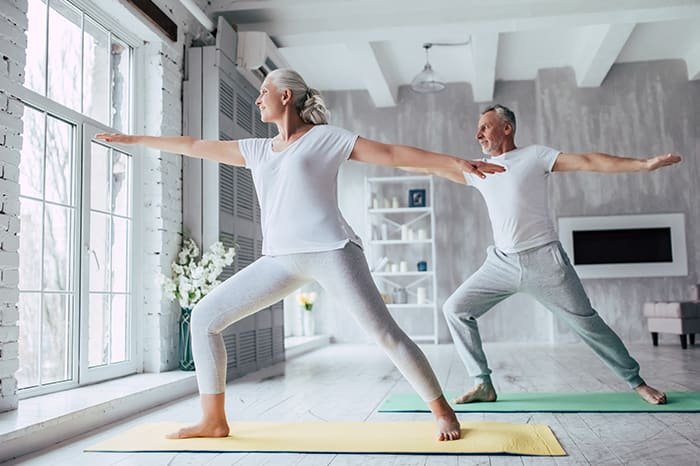
Think of it as free resistance training you can do in your living room. One senior I know traded her worry about brittle bones for quiet pride after her DEXA scan improved. Warrior poses and gentle backbends do the heavy lifting here—safely.
- Why it matters: Protects against hip and wrist breaks.
- Bonus: Pairs well with calcium-rich foods for extra power.
- Safe start: Use a chair for support in standing poses.
Benefit 4: Healthier Heart and Lower Blood Pressure
High blood pressure and sluggish circulation creep up with age. Yoga’s combination of movement, breathwork, and relaxation lowers resting heart rate, cholesterol, and blood pressure more effectively than some expected. It calms the nervous system so the heart doesn’t have to work overtime.
An older gentleman at my local senior center dropped his medication dose (with doctor approval) after six months. He joked yoga was cheaper than pills and tasted better than kale smoothies. Try alternate-nostril breathing or easy sun salutations modified for chairs.
- Measurable gains: Better circulation, less inflammation.
- Everyday ease: More energy for errands and hobbies.
- Caution: Always check with your doctor first.
Benefit 5: Stress Melts Away Like Morning Fog
Chronic stress wears on everything—sleep, mood, immunity. Yoga’s slow breathing and mindful focus activate the relaxation response, dropping cortisol levels naturally. Seniors often say it feels like a mental reset button they didn’t know they needed.
I’ve heard stories of retirees whose constant worry about family or finances eased after adding just 15 minutes daily. One laughed, “Yoga didn’t fix my problems, but it stopped me from carrying them on my shoulders.” Seated meditation or legs-up-the-wall pose works wonders.
- Simple mechanism: Deep breaths signal safety to the brain.
- Quick relief: Notice calmer evenings and fewer racing thoughts.
- Fun twist: Pair it with soft music for extra unwind.
Benefit 6: Brighter Mood and Less Blue Days
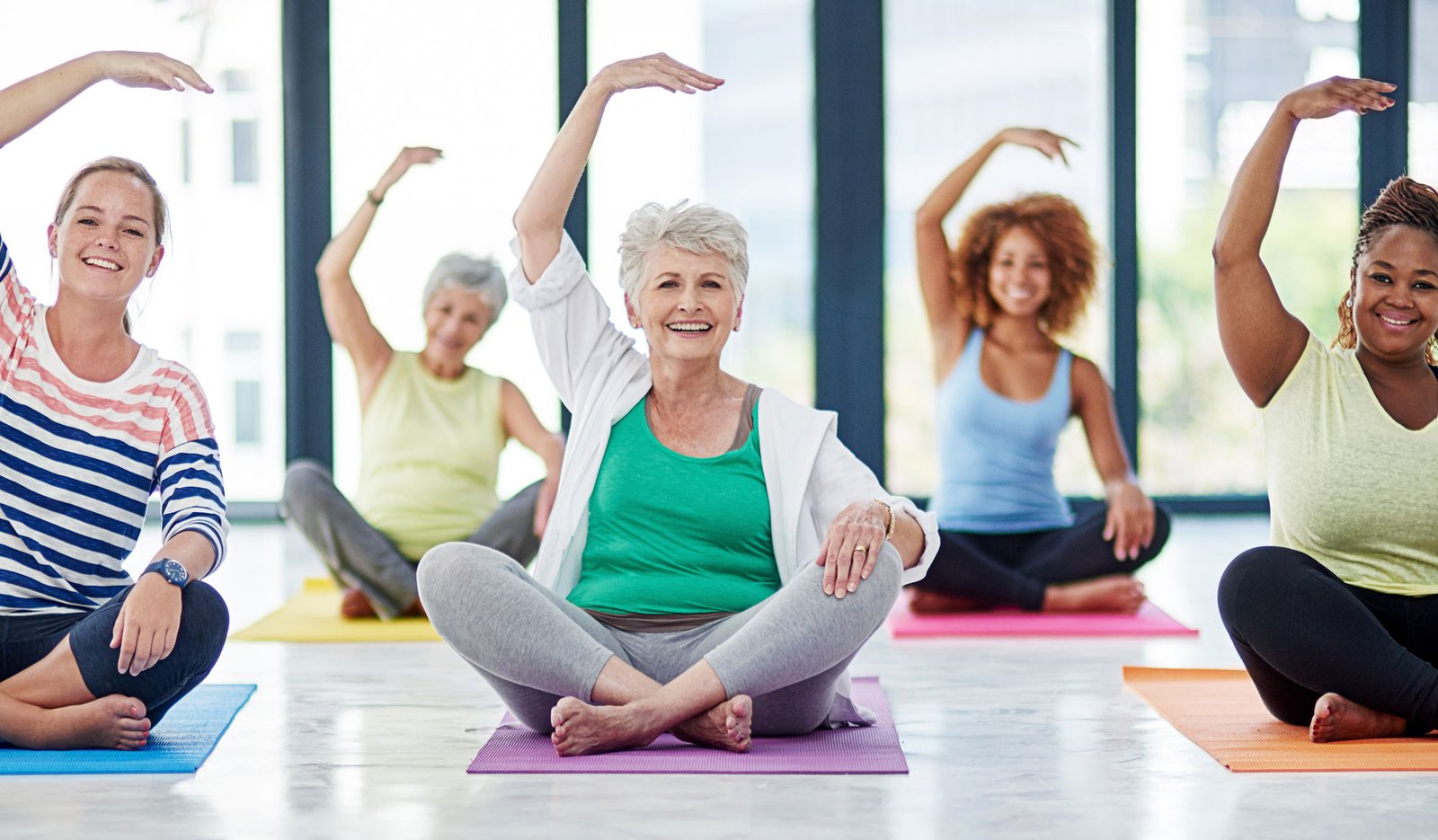
Depression and anxiety visit seniors more often than we admit. Yoga lifts mood through endorphin release, better oxygen flow, and a sense of accomplishment from small wins. Group classes add social connection that combats isolation too.
A widow I know started yoga to fill empty afternoons and found herself smiling more and calling friends again. She quipped, “Turns out downward dog beats downward spiral.” Gentle flows plus gratitude reflection at the end seal the deal.
- Science link: Improved brain connectivity in long-term practitioners.
- Social perk: Community classes build new friendships.
- Easy entry: Online videos designed for seniors.
Benefit 7: Posture That Makes You Look and Feel Younger
Slouching from desk work or osteoporosis rounds the spine over time. Yoga strengthens the back, core, and shoulders while opening the chest, pulling everything back into alignment. One study of women over 50 showed clear spine flexibility gains after weekly practice.
Watch someone stand taller after a month—suddenly they look ready for anything. My aunt stopped hunching over her phone and started looking people in the eye again. Mountain pose and seated twists keep it simple.
- Visible change: Taller stance, fewer neck aches.
- Hidden win: Better breathing room in the lungs.
- Daily habit: Check posture during TV commercials.
Benefit 8: Deeper, More Restful Sleep
Insomnia plagues many seniors, leaving them groggy and irritable. Yoga winds down the nervous system, reduces nighttime tension, and regulates sleep cycles through evening practice. Better oxygen and lower stress mean falling asleep faster and staying there.
One retiree told me he finally ditched the sleep meds after yoga became his bedtime ritual. “I wake up feeling human again,” he grinned. Restorative poses like child’s pose or supine twists prepare the body beautifully.
- Trackable improvement: Longer deep-sleep phases.
- No grogginess: Natural alternative to pills.
- Timing tip: Practice 1–2 hours before bed.
Benefit 9: Easier Joints and Less Arthritis Pain
Swollen, achy joints turn simple tasks into ordeals. Yoga’s gentle motion increases synovial fluid, reduces inflammation, and builds supportive muscle around joints. Many report less stiffness in knees, hips, and hands.
A former gardener in her 70s rediscovered her flower beds because the pain no longer stopped her. She laughed about finally outsmarting her arthritis. Use props like blocks or straps to keep it comfortable.
- Targeted relief: Hips, knees, wrists, shoulders.
- Long-term: Slower progression of symptoms.
- Modify freely: Chair versions work great.
Benefit 10: Overall Mobility, Strength, and Staying Independent Longer
Frailty sneaks up when daily tasks feel harder. Yoga builds functional strength—getting up from a chair, carrying groceries, climbing stairs—while improving walking speed and leg power. Harvard researchers called it strong evidence against frailty.
Seniors stay out of assisted living longer when they keep moving this way. One couple I know still travels because yoga keeps them steady on cobblestone streets abroad. Chair yoga or standing flows deliver the goods.
- Key gains: Leg strength, core stability, endurance.
- Independence preserved: Fewer doctor visits for falls or weakness.
- Celebrate progress: Track how far you can walk without stopping.
Yoga Versus Other Exercises: A Quick Comparison for Seniors
| Exercise Type | Balance Improvement | Joint-Friendly | Stress Reduction | Cost & Accessibility | Best For Seniors Because… |
|---|---|---|---|---|---|
| Yoga | High | Excellent | Excellent | Low (mat or chair) | Adaptable, mindful, no equipment needed |
| Walking | Moderate | Good | Good | Free | Great cardio but less core work |
| Strength Training | Moderate | Variable | Moderate | Gym or weights | Builds muscle but can strain joints |
| Swimming | Low | Excellent | Good | Pool access needed | Zero impact but limited balance training |
Yoga wins for most seniors because it hits multiple needs in one gentle session.
Pros and Cons of Starting Yoga as a Senior
Pros
- Low risk of injury when done properly
- Improves multiple health markers at once
- Builds community and purpose
- Adaptable to any fitness level or health condition
Cons (and easy fixes)
- Initial stiffness—start with 10-minute sessions
- Need proper instruction—choose certified senior-friendly teachers
- Motivation dips—pair with a buddy or app reminders
How to Get Started Safely and See Results Fast
Talk to your doctor first, especially with heart issues, recent surgery, or balance problems. Look for “chair yoga,” “gentle yoga,” or “senior yoga” classes at community centers, YMCAs, or online platforms like YouTube channels run by certified instructors. A simple mat, two blocks, and a strap are all the “tools” you need—transactional and budget-friendly.
Aim for 2–3 sessions a week, 20–45 minutes each. Consistency beats intensity. Many see balance and mood lifts in 4–6 weeks; deeper changes like better sleep or bone support take 3–6 months.
People Also Ask About Yoga for Senior Citizens
Is yoga safe for seniors over 70?
Yes—when modified. Chair yoga or restorative styles eliminate fall risks while delivering full benefits. Work with instructors trained in senior adaptations.
What type of yoga is best for seniors?
Hatha, restorative, or chair yoga. Avoid hot or power styles unless you’re already very active. Focus on breath and slow movement.
How often should seniors practice yoga?
Two to three times weekly is ideal. Even 15 minutes daily builds habits without overwhelm.
Can yoga help arthritis pain in older adults?
Absolutely. Gentle stretching and strengthening ease stiffness and reduce inflammation around joints.
Does yoga really reduce fall risk?
Research confirms it. Improved balance, strength, and awareness make a measurable difference in real-world stability.
FAQ
How long until I notice benefits?
Most seniors feel calmer and steadier within 2–4 weeks. Physical changes like flexibility and strength show up around 6–8 weeks with regular practice.
Do I need special equipment?
No. A yoga mat prevents slipping; blocks and straps help with reach. Many start with just a sturdy chair.
What if I have limited mobility?
Chair yoga or seated sequences work perfectly. Instructors modify every pose so everyone participates fully.
Can yoga replace physical therapy?
It complements it beautifully but doesn’t replace professional care for specific injuries. Use both for best results.
Is group class or home practice better?
Both work. Classes add motivation and social connection; home practice offers flexibility around your schedule.
You don’t need to be flexible to start yoga—you start yoga to become flexible, strong, and calm. Senior citizens who give it a fair try often say it’s the best gift they’ve given their future selves. Grab a mat (or a chair), find a welcoming class, and take that first breath. Your body and mind will thank you, one steady pose at a time.
The journey is yours. Start today, even if it’s just five minutes of mindful breathing while seated. Those small steps add up to years of vibrant, independent living. You’ve earned this chapter—make it your strongest yet.