Imagine your child bouncing off the walls after school, struggling to sit still during homework, or feeling overwhelmed by a big test. What if a few minutes of simple movement could change that? As a parent who’s guided my own two kids through countless wobbly tree poses and giggles in downward dog, I’ve seen firsthand how yoga transforms their energy, focus, and mood. It’s not about perfect form or fancy mats—it’s about fun, connection, and building habits that last a lifetime. In this guide, we’ll explore why yoga for kids is a game-changer and share five simple yoga tips you can start today, no experience required.
These tips are designed for children ages 4 to 12, drawing from years of family practice and insights from experts who’ve studied how movement and breath shape young minds and bodies. Whether you’re a busy mom in Lahore, a teacher in a bustling classroom, or a grandparent looking for screen-free bonding time, these practical ideas fit right into your routine. Let’s dive in and make yoga part of your family’s story.
Why Yoga Matters for Today’s Kids
Kids today face more pressure than ever—school demands, screens pulling their attention, and packed schedules that leave little room for free play. Yoga offers a gentle counterbalance, blending movement with mindfulness to help them thrive physically and emotionally. It’s like giving your child a superpower toolkit they can carry everywhere.
Physical Benefits of Yoga for Children
Regular practice builds strength, flexibility, and coordination without the high-impact strain of sports. Kids develop better posture from all that screen time and learn to move with confidence. One study even showed improved balance and endurance after just weeks of consistent sessions.
Mental and Emotional Gains
Beyond the body, yoga sharpens focus and calms racing thoughts. Children learn to notice their feelings without getting swept away by them. My daughter once told me after a quick breathing break, “Mom, my brain feels quieter now.” That emotional regulation sticks with them through tough days.
The Science Backing Yoga for Kids
Research confirms what parents notice at home: yoga improves classroom behavior, reduces anxiety, and even boosts academic performance. A 10-week program for second- and third-graders led to less stress and better social skills. It works because it combines breath, movement, and awareness—tools that rewire the nervous system for calm and clarity.
How Yoga Compares to Traditional Exercise
| Aspect | Yoga for Kids | Traditional Sports (Soccer, etc.) |
|---|---|---|
| Focus | Mind-body connection | Competition and teamwork |
| Injury Risk | Low, modifiable poses | Higher from contact or falls |
| Accessibility | Anywhere, no equipment needed | Often requires gear or fields |
| Emotional Benefits | Builds self-esteem and calm | Boosts confidence through wins |
| Duration Needed | 10-15 minutes daily | 45-60 minutes per session |
Yoga wins for busy families because it’s quick, inclusive, and pairs perfectly with any active lifestyle.
Getting Started Without Overwhelm
You don’t need a studio or teacher training to begin. Clear a small space in your living room, play soft music if it helps, and keep sessions short—five to ten minutes at first. The key is consistency over perfection. Expect giggles, falls, and distractions; that’s all part of the fun.
Age-Appropriate Expectations
Toddlers might copy you for 30 seconds before dashing off. School-age kids can hold poses longer and enjoy partner work. Always follow their lead—if they’re engaged, you’re doing it right.
5 Simple Yoga Tips Every Parent Should Try
These five tips form the heart of a kid-friendly practice. Each one builds on the last, creating a complete mini-session you can do together. I’ve used them with my children during hectic evenings, turning “I’m bored” into “Let’s do yoga!” moments.
Tip 1: Start with Balloon Breath to Center Everyone
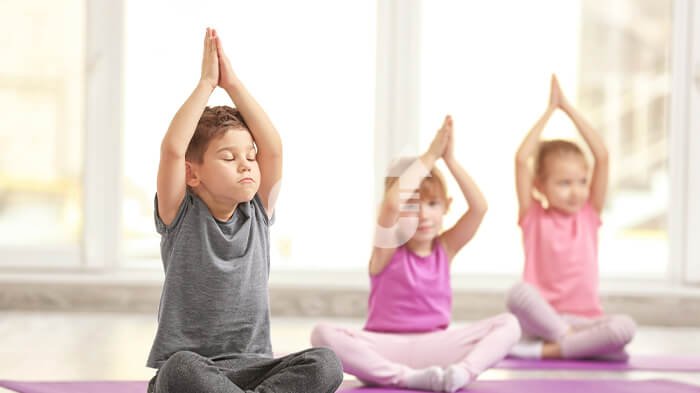
Before any pose, teach kids to breathe like they’re inflating a balloon in their belly. It’s the easiest way to shift from chaos to calm. This simple exercise alone can lower stress in minutes and prepare little bodies for movement.
Here’s how we do it at home: Sit cross-legged on the floor. Place hands on the belly. Inhale slowly through the nose to make the “balloon” rise—count to four. Exhale through the mouth with a gentle “whoosh” as the balloon deflates. Repeat five times. My son loved pretending the balloon was his favorite color; it made him laugh and focus instantly.
- Why it works: Activates the parasympathetic nervous system for instant relaxation.
- Age tip: Toddlers can blow imaginary bubbles instead.
- Pro tip: Use it before homework or bedtime for smoother transitions.
Tip 2: Stand Tall in Mountain Pose for Grounding
Mountain pose is the perfect foundation—simple enough for beginners yet powerful for building presence. Kids stand like a sturdy mountain, feeling rooted and strong. It’s my go-to first pose because it instantly improves posture and confidence.
Stand with feet hip-width apart, arms relaxed at your sides. Press into the floor evenly, lift the chest slightly, and soften the shoulders. Gaze forward and breathe steadily for 20-30 seconds. We add a fun twist: “I am strong like a mountain!” affirmations that my daughter still says on tough mornings.
- Benefits: Enhances balance, focus, and body awareness.
- Common mistake to avoid: Locking the knees—keep them soft.
- Variation: Raise arms overhead like a tall peak for extra energy.
Tip 3: Grow Roots with Tree Pose to Boost Concentration
Tree pose turns balance practice into pure play. Kids love pretending to be a swaying tree in the wind, and it secretly trains laser-sharp focus. We’ve used it before exams, and the wobbles always end in laughter.
From mountain pose, shift weight to one foot. Place the other foot on the ankle or calf (never the knee). Bring palms together at the heart or reach arms up like branches. Hold for 10-20 seconds, then switch sides. My kids compete to see who can hold longest without giggling—spoiler: giggles always win.
- Why kids adore it: Feels like a game, builds confidence through small wins.
- Safety note: Use a wall for support if needed.
- Progression: Close eyes once steady for an extra challenge.
Tip 4: Energize with Downward-Facing Dog for Full-Body Fun
This pose looks like a playful dog stretching after a nap, and kids light up when they “bark” in it. It stretches the whole back side of the body while inverting to refresh the brain—perfect after sitting all day.
Start on hands and knees. Tuck toes, lift hips high, and straighten legs into an upside-down V. Pedal the feet gently. Hold 20-30 seconds while taking deep breaths. We make it silly by wagging imaginary tails—pure joy every time.
- Key benefits: Strengthens arms and legs, improves circulation, and calms the mind.
- Modification: Bend knees for tighter hamstrings.
- Pair it with: A quick “dog walk” around the room for extra giggles.
Tip 5: Melt into Child’s Pose for Sweet Relaxation
Every session ends here—child’s pose is the ultimate reset button. It gently stretches the back and hips while inviting deep calm. My daughter calls it her “cuddle with the floor” pose, and it never fails to leave us both smiling.
Kneel with big toes touching, knees apart. Fold forward, rest forehead on the mat or floor, and extend arms ahead or by your sides. Breathe slowly for 30-60 seconds. Whisper a quick gratitude: “Thank you for this strong body.”
- Emotional win: Teaches kids to unwind and process their day.
- When to use: Before bed or after a meltdown.
- Group version: Do it side-by-side for quiet family bonding.
Making Yoga Sessions Fun for Every Age
Tailor the tips above to your child’s stage. Preschoolers thrive on animal sounds and stories—turn downward dog into a “sleepy puppy.” Older kids enjoy challenges like holding poses while naming colors. Mix in music or partner poses for siblings to keep energy high.
Pros and Cons of Yoga for Kids
Pros
- Builds lifelong stress-management skills
- Improves sleep and digestion
- Strengthens family bonds
- Zero cost after the first mat (optional!)
Cons
- Kids may lose interest if sessions drag
- Requires parental patience during wobbles
- Not a substitute for medical care if issues arise
The pros far outweigh any minor hurdles when you keep it light and playful.
Safety First: What Every Parent Needs to Know
Yoga is incredibly safe, but listen to your child’s body. Never force a pose, and stop if anything pinches or hurts. Consult a pediatrician for kids with injuries or conditions. Warm-ups and cool-downs prevent strains, and short sessions prevent burnout.
People Also Ask About Yoga for Kids
What age can kids start yoga?
Most children can begin simple breathing and poses around age 3 or 4. Start with imitation play and keep it under five minutes. By age 6, they can follow structured tips like the ones above.
Is yoga safe for children with ADHD or anxiety?
Absolutely—research shows it reduces hyperactivity and improves focus. The breathing and balance elements are especially helpful. Always modify and celebrate effort over perfection.
How often should kids practice yoga?
Aim for 10-15 minutes, 3-5 times a week. Consistency beats long sessions. Even a quick morning mountain pose sets a positive tone.
What if my child gets distracted easily?
That’s normal! Use storytelling, music, or silly challenges. Short, high-energy bursts work wonders.
Can I practice yoga with my kids without any experience?
Yes! These five tips are beginner-friendly. Follow along together and learn side by side—it builds connection like nothing else.
Frequently Asked Questions
How do I motivate a reluctant child?
Turn it into a game with stickers for completing a full session. Lead by example—kids copy what they see.
Do we need special equipment?
No. A carpet or towel works fine. Optional yoga cards or apps can add variety later.
Will yoga replace sports?
Not at all. It complements them beautifully by improving flexibility and recovery.
What if my child has tight muscles?
Modify every pose. Use blocks (or books) for support and celebrate small improvements.
Can teachers use these tips in class?
Definitely. They’re perfect for brain breaks and require zero setup.
Wrapping Up: Your Family’s Yoga Journey Starts Now
These five simple yoga tips—balloon breath, mountain, tree, downward dog, and child’s pose—give you everything you need to create calm, confident kids who feel good in their bodies and minds. I’ve watched my own children grow more resilient, kinder to themselves, and excited about movement because of moments just like these. Start small today. Roll out a towel, take one deep breath together, and watch the magic unfold.
Your kids will thank you—not just today, but for years to come. Grab a timer, cue up some giggles, and enjoy the journey. Namaste, friends—here’s to stronger, happier little yogis in every home.