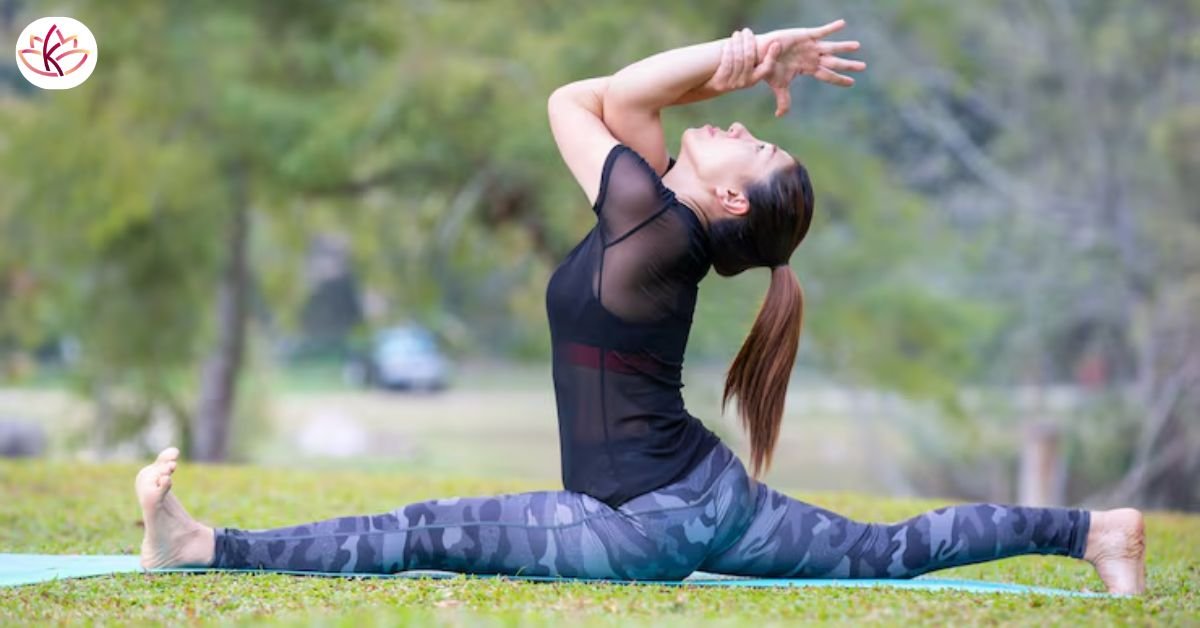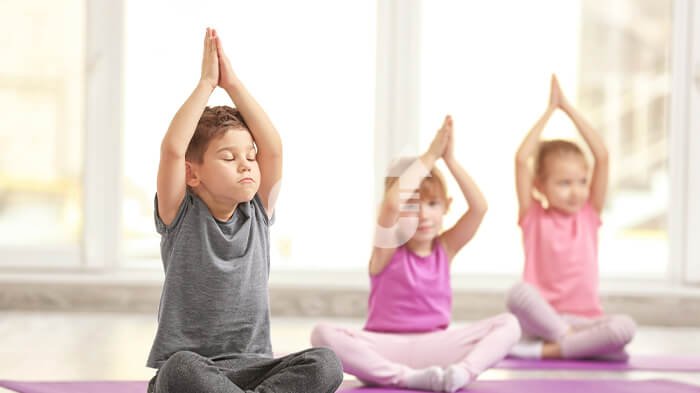
Picture this: your five-year-old, who usually bounces off the walls after school, suddenly stands still like a quiet mountain, breathing deeply and grinning ear to ear. That’s the magic these 16 easy children yoga poses can bring into your home. No fancy studio required, just a bit of floor space and a willingness to giggle along the way. Parents everywhere are turning to kids yoga for simple ways to build strength, focus, and calm without turning it into another chore.
Why Kids Need Yoga in Their Daily Routine
Modern childhood moves fast—screens, schedules, and stress pile up before kids even hit double digits. Yoga slips in as the perfect counterbalance, blending play with presence so children learn to listen to their bodies instead of rushing through the day. It meets them exactly where they are, whether they’re three and wiggly or ten and testing limits, turning everyday moments into opportunities for connection and growth.
Proven Benefits of Yoga for Children
Experts at Cleveland Clinic highlight how regular practice sharpens emotional control, boosts self-awareness, and lifts mood while strengthening focus and social skills. Kids who try yoga for just ten weeks often show less stress, longer attention spans, and even better grades because they gain tools to handle big feelings without melting down.
Physical Gains That Last a Lifetime
These poses stretch tight muscles, build core strength, and improve balance and coordination in ways that support growing bones and joints. Children develop better posture from all the screen slouching, plus stronger legs and arms that make playground time even more fun. The best part? They rarely notice they’re “exercising” because it feels like animal adventures or superhero games.
Mental and Emotional Wins Parents Notice First
Yoga teaches kids to pause, breathe, and reset when frustration bubbles up. Anxiety eases, confidence grows, and they start regulating emotions instead of exploding. Many parents share stories of bedtime battles turning peaceful after a quick wind-down sequence, proving the mind-body link works even for the youngest yogis.
Getting Started with Kids Yoga at Home
You truly need almost nothing—just comfy clothes, bare feet for grip, and a soft surface like a carpet or towel. Keep sessions short, five to fifteen minutes, and follow your child’s energy rather than a clock. Make it playful by using their favorite stuffed animals as “pose partners” or turning on upbeat music to keep things light.
Safety Tips Every Parent Should Know
Always watch for smiles, not strain, and remind kids that falling or wobbling is part of the fun. Skip any pose that hurts and modify freely—bent knees or shorter holds work wonders. Consult a pediatrician if your child has injuries or conditions, but most healthy kids dive in safely from toddler age onward.
Pros and Cons of Practicing Yoga with Kids
- Pros: Builds lifelong habits for calm and fitness; strengthens family bonds; zero equipment or cost; adaptable for any age or mood.
- Cons: Requires consistent short practice to see results; some kids resist at first until the fun clicks; needs parental involvement initially.
Overall, the pros far outweigh any minor hurdles, especially when you keep expectations light and laughter loud.
Comparing Kids Yoga to Other Activities
Sports build teamwork and endurance, but yoga adds the missing piece of inner calm and body awareness that team games sometimes skip. Dance improves rhythm while yoga enhances focus and flexibility without competition pressure. Screen time entertains yet drains energy—yoga recharges it. Blend them all and watch your child thrive in every way.
| Activity | Builds Strength | Improves Focus | Reduces Stress | Family-Friendly | Cost |
|---|---|---|---|---|---|
| Kids Yoga | Yes | High | High | Excellent | Free |
| Soccer | Yes | Medium | Low | Good | Medium |
| Dance | Yes | Medium | Medium | Good | Medium |
| Screen Time | No | Low | Low | Easy | Free |
The 16 Easy Children Yoga Poses Your Kids Can Totally Do
These poses draw from classic yoga but get kid-friendly makeovers with animal themes, silly sounds, and zero pressure for perfection. Each one takes just seconds to learn, works for ages three and up, and delivers real benefits when repeated a few times a week.
1. Mountain Pose – Standing Tall Like a Mighty Mountain
Stand with feet together or hip-width apart, arms relaxed at your sides, and imagine roots growing from your feet into the earth. Lift your chest proudly while keeping shoulders soft. Kids love pretending they’re unbreakable mountains during a storm—this pose instantly improves posture and teaches grounding that carries over to school focus.
2. Tree Pose – Growing Strong and Steady
Shift weight onto one foot, place the other foot on your ankle or calf (never the knee), and bring palms together at your heart or reach them skyward like branches. Sway gently and switch sides. My nephew once laughed so hard he toppled, but he popped right back up—balance improves quickly, plus it builds confidence that spills into trying new things.
3. Downward-Facing Dog – Becoming a Happy Puppy
Start on hands and knees, tuck toes, lift hips high into an upside-down V, and let your head hang loose. Pedal the feet or bark playfully. This full-body stretch energizes arms and legs while calming the mind—perfect after a long car ride or homework session.
4. Cat Pose – Arching Like a Curious Kitty
On all fours, round your back toward the ceiling and tuck your chin like a scaredy cat. Add a soft “meow” for giggles. It releases back tension after sitting at desks and teaches spinal awareness in the most adorable way.
5. Cow Pose – Mooing with an Open Heart
From the same all-fours start, drop your belly low, lift your gaze, and arch your back gently. Pair it with a happy “moo!” Cow and cat flow together like a gentle wave, opening the chest and spine while kids practice smooth breathing.
6. Cobra Pose – Rising Like a Curious Snake
Lie on your tummy, place hands under shoulders, and lift your chest while keeping elbows slightly bent. Hiss softly if you like. This mild backbend strengthens the spine and counters all that forward hunching from tablets or books.
7. Bridge Pose – Building a Strong Rainbow Bridge
Lie on your back, bend knees with feet flat, then lift hips toward the sky while pressing arms into the floor. Hold and smile underneath. It builds leg and back strength plus opens the heart—great for kids who carry worry in their shoulders.
8. Butterfly Pose – Flapping Wings Like a Bright Butterfly
Sit tall, press soles of feet together, and let knees drop open. Gently flap your legs like wings or hold still and breathe. Hips open beautifully while kids feel calm and focused—ideal for circle time or quiet moments.
9. Child’s Pose – Curling Up Like a Cozy Turtle
Kneel, sit back on heels, fold forward, and rest your forehead on the mat with arms extended or beside you. It’s the ultimate reset button that soothes anxious tummies and gives busy minds a safe place to hide for a breath.
10. Happy Baby Pose – Rolling Like a Cheerful Bug
Lie on your back, grab the outsides of your feet, and rock side to side while smiling big. Kids naturally love this silly one—it stretches hips and lower back while releasing any leftover wiggles before bed.
11. Boat Pose – Sailing Like a Brave Pirate Ship
Sit with knees bent, lean back slightly, lift feet so shins are parallel to the floor, and reach arms forward. Rock like waves if you dare. Core strength skyrockets and balance improves—plus it sparks imaginative play every time.
12. Warrior I Pose – Standing Powerful Like a Brave Explorer
Step one foot back, bend the front knee, and reach arms overhead while gazing forward. Feel strong and steady. This pose builds leg power and confidence, reminding kids they can face challenges with courage.
13. Chair Pose – Sitting Like a Kangaroo Ready to Hop
Stand tall, bend knees as if sitting in an invisible chair, and reach arms overhead or forward. Add a little hop at the end. Thighs and core get a friendly workout while posture stays tall and proud.
14. Lion Pose – Roaring with Brave Energy
Kneel or sit, spread fingers wide like claws, open your mouth wide, stick out your tongue, and roar loudly on the exhale. It releases tension in the face and throat—perfect for kids who hold stress in their jaws from school nerves.
15. Airplane Pose – Soaring Like a Jet or Eagle
Stand on one leg, hinge forward at hips, extend the other leg back, and stretch arms out like wings. Switch sides. Balance sharpens dramatically, and kids feel like superheroes flying high.
16. Corpse Pose – Resting Like a Peaceful Starfish
Lie flat on your back, arms and legs relaxed, palms up, eyes closed. Breathe slowly and let everything melt. End every session here—kids learn the priceless skill of true relaxation that helps them sleep better and handle emotions with ease.
Creating a Fun 10-Minute Yoga Flow for Kids
String any five or six of these poses together, adding animal sounds or stories along the way. Start with Mountain, flow through Cat-Cow, Downward Dog, and a Warrior, then finish with Child’s and Corpse. Change the order daily so boredom never sneaks in.
People Also Ask About Easy Children Yoga Poses
What age can kids safely start yoga?
Most children can begin simple breathing and poses around age two or three with supervision; by four or five they follow along independently. Focus on fun over form at every stage.
How long should a kids yoga session last?
Five to fifteen minutes works best—short enough to hold attention yet long enough to feel the benefits. Build up gradually as interest grows.
Can yoga really help kids with anxiety or focus issues?
Absolutely. Breathing and mindful movement lower stress hormones while balancing poses train the brain to stay present, skills that transfer straight to classroom calm.
Do I need any special equipment?
Nope. A mat is nice but not necessary—carpet, grass, or even a towel does the job. Comfortable clothes and bare feet are all you really need.
Is it okay if my child can’t do the pose perfectly?
Yes! Wobbles and giggles are encouraged. The goal is movement, breath, and joy, not Instagram-worthy alignment.
Frequently Asked Questions About Yoga Poses for Kids
How often should we practice?
Three to five times a week keeps momentum without pressure. Even two short sessions make a noticeable difference in mood and energy.
What if my kid refuses at first?
Join in yourself and let them watch or copy when ready. Make it a game—use toys or turn it into a story—and resistance usually melts fast.
Can yoga replace sports or PE?
It complements them beautifully by adding flexibility, focus, and recovery that traditional activities sometimes miss.
Where can I find free kids yoga videos or printables?
Search reputable sites like Kids Yoga Stories or local library apps for guided flows that match these poses exactly.
Ready to Roll Out Your Mat with Your Little Ones?
You now hold everything needed to start a simple, joyful yoga practice that fits your family’s rhythm. Grab your kids, pick three poses tonight, and watch them light up. The giggles, the wobbles, and the quiet “I feel strong” moments are waiting. Your children deserve this gift of calm strength, and you’ll love sharing it with them every step of the way. Roll out that mat—adventure begins now.